

Long-lasting protection for your pipe networks
Dilatoflex® rubber expansion joints provide exceptional flexibility to protect installations against ground settlements, thermal expansion and external stresses. Their excellent abrasion resistance makes them particularly suitable for irrigation pipes, pumping stations and slurry transport systems.
Sustainable solution for exterior installations and underwater piping
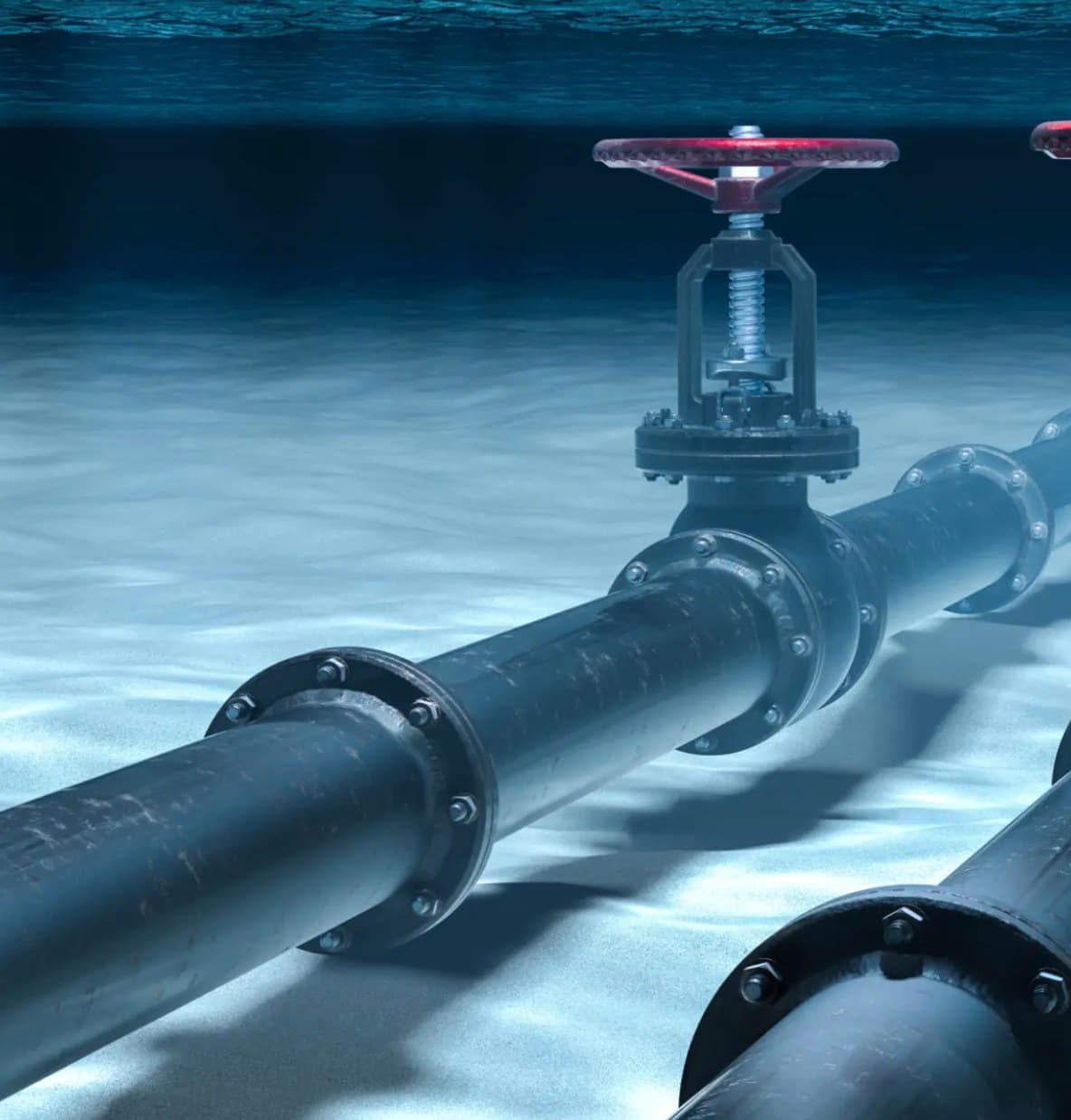
Increased resistance to UV rays, solar radiation and weathering
The compounds used for the outer layer of Dilatoflex® expansion joints enhance resistance to environmental exposure and slow down the effects of aging.
Proven flexible element for underwater conditions
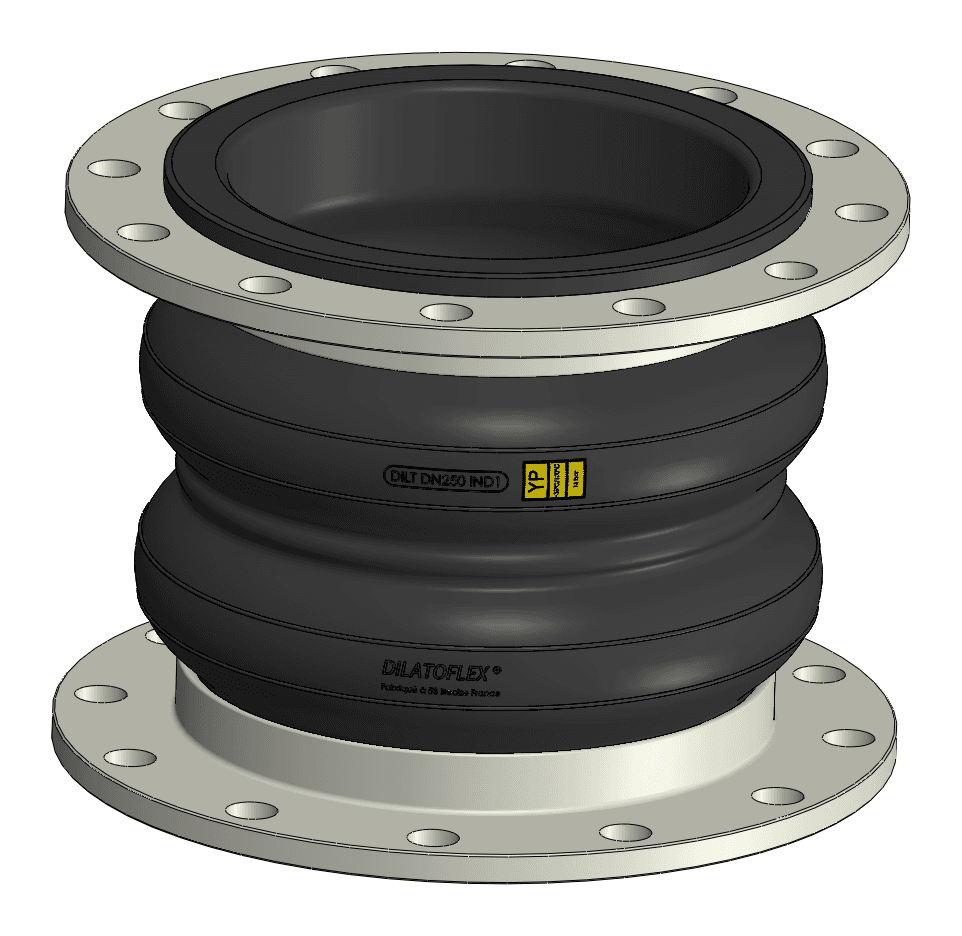
The robust structure of the N type expansion joints makes them ideal for coastal installations, shipyards and port areas, including shallow subsea piping systems.
Significant reduction in terminal thrust
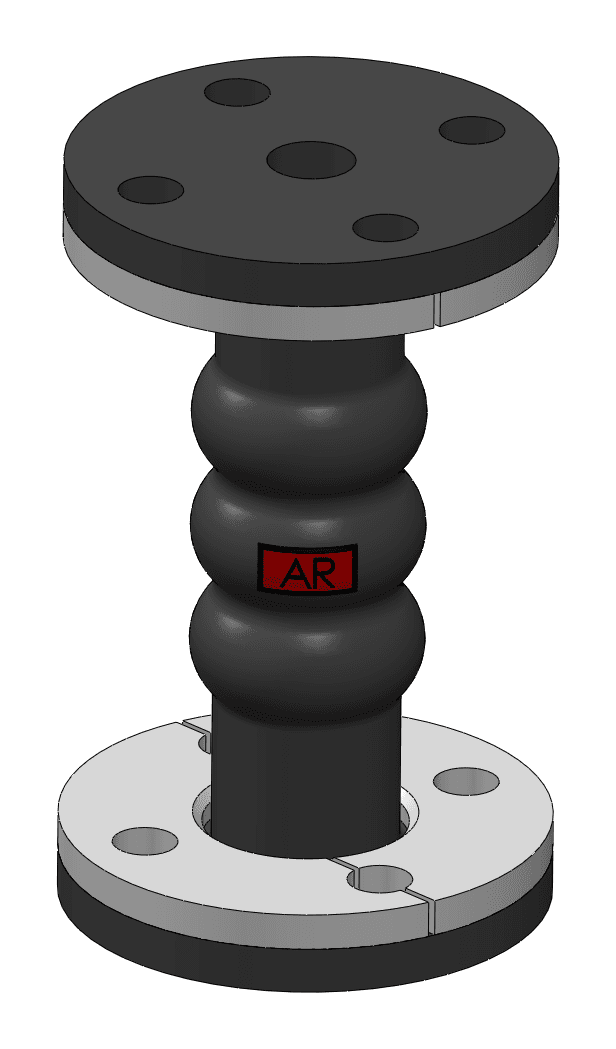
Self-stability is a key feature of Dilatoflex® type K expansion joints. Most sizes can reach a natural equilibrium length, allowing them to operate with reduced thrust forces. This self-stability is particularly beneficial for pump connections and plastic piping installations.
Effective compensation for displacements
The flexible body of Dilatoflex® expansion joints effectively compensates for pipe displacements and contributes significantly to the protection of the installation and its components.
Certifications & Quality
Dilatoflex® provides you with tailor-made support throughout the life cycle of your projects.
See allOur reference partners
Customers and partners who trust us around the world.




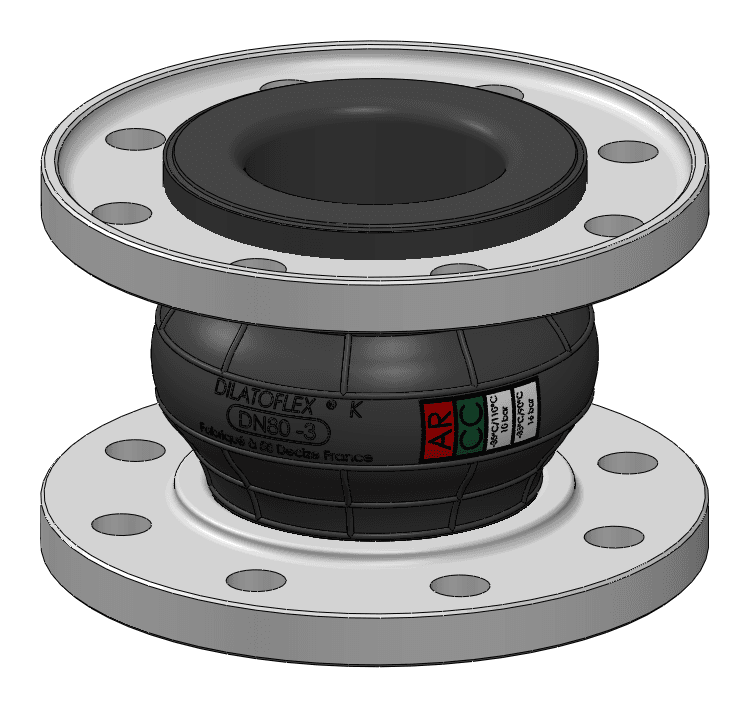
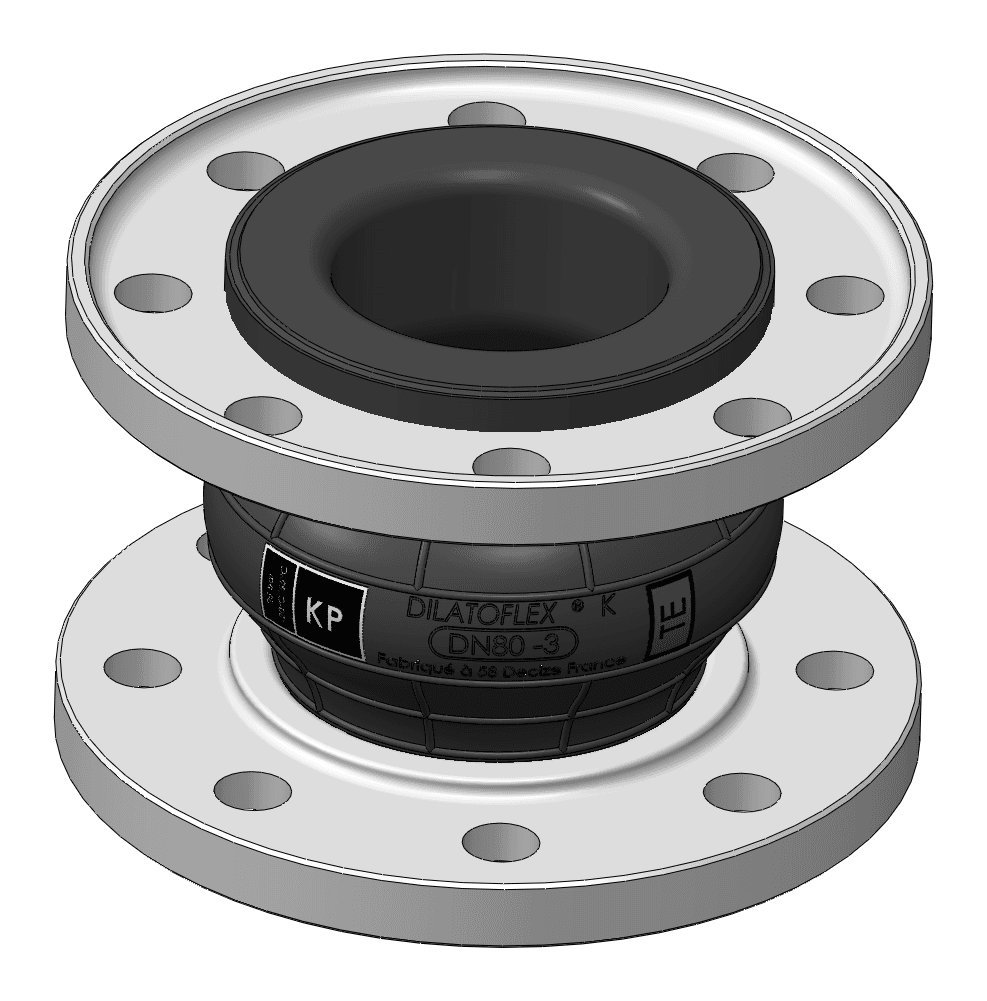
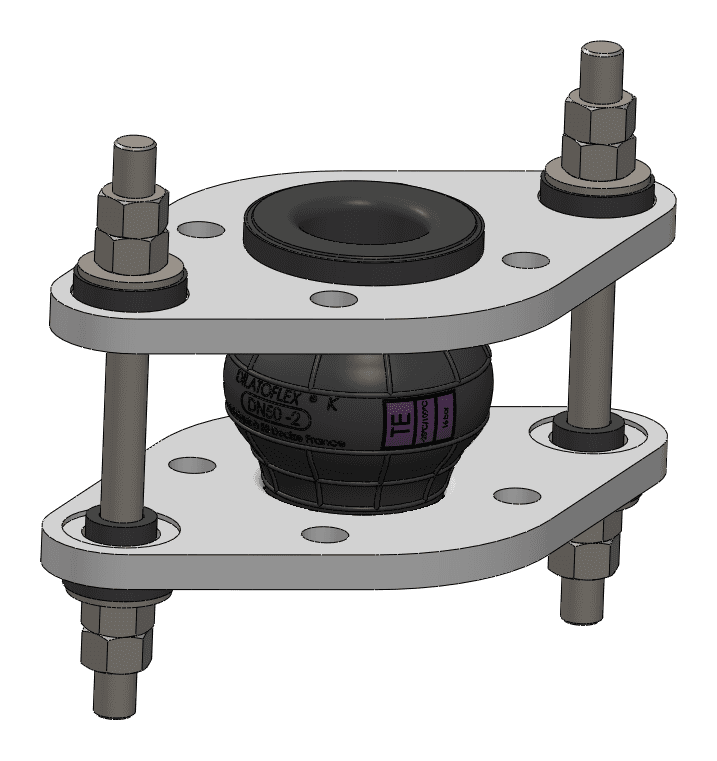
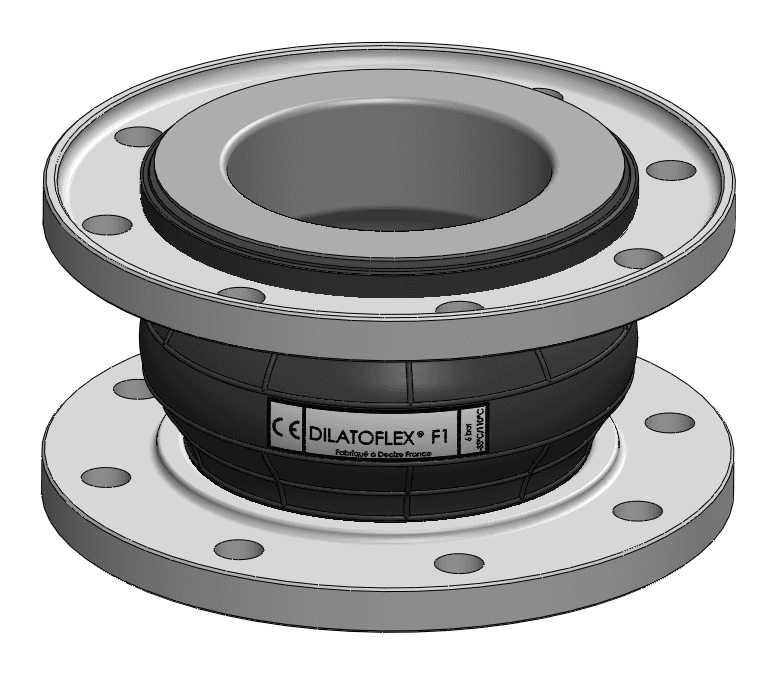
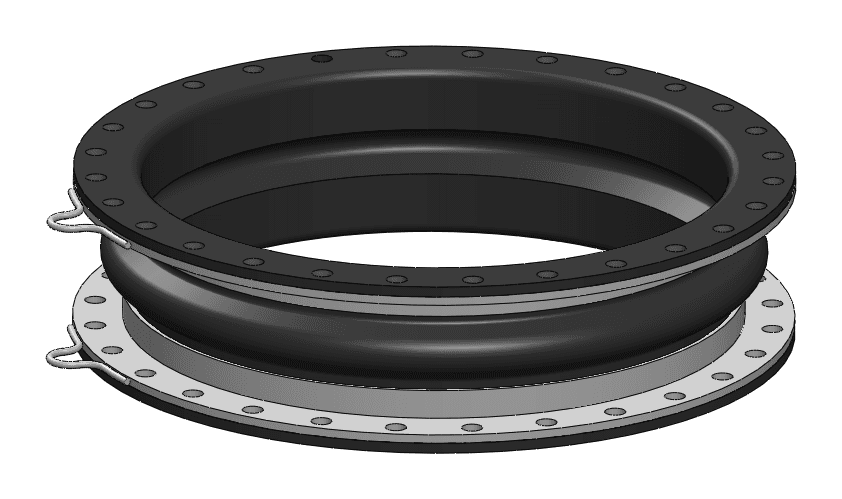
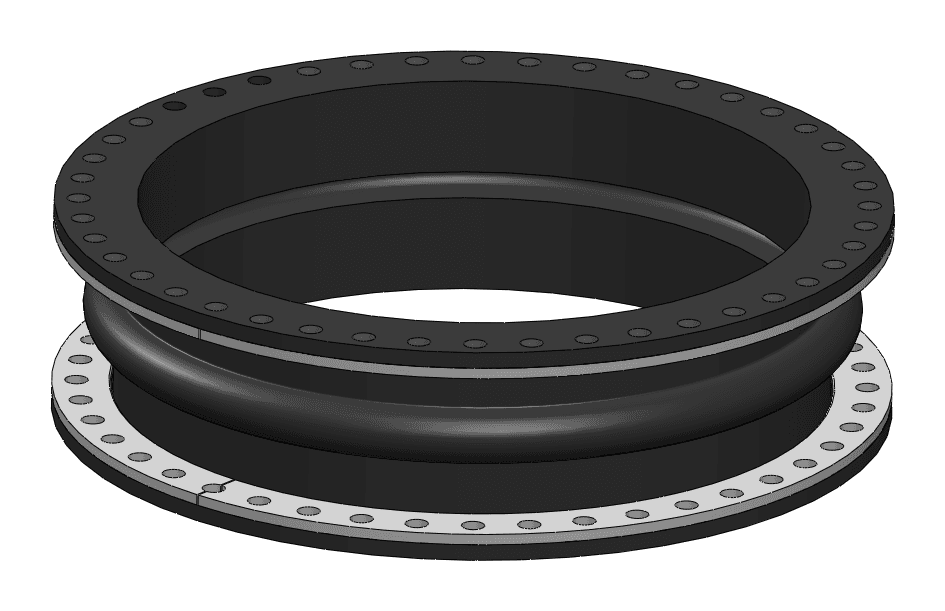
Our Dilatoflex® ranges & products
Expansion joints suitable for agricultural, aquaculture installations and fluid transport networks in outdoor environments.
Need technical assistance?
Dilatoflex® excellence serving the sustainability and performance of the agricultural and aquaculture sectors.
Contact us

Frequently Asked Questions
Dilatoflex® elastomer expansion joints can be installed on plastic piping systems such as PE, HDPE or PVC pipes. Particular attention must, however, be paid to the thrust forces generated by internal pressure, as plastic pipelines generally have lower mechanical strength than steel systems. For this reason, Dilatoflex® type K expansion joints with self-stability are particularly advantageous. Their design allows them to operate with significantly reduced end thrust loads, helping to limit the stresses transmitted to the piping system and its supports. This feature is particularly appreciated in irrigation networks, aquaculture facilities and pumping stations, where plastic pipes are widely used.
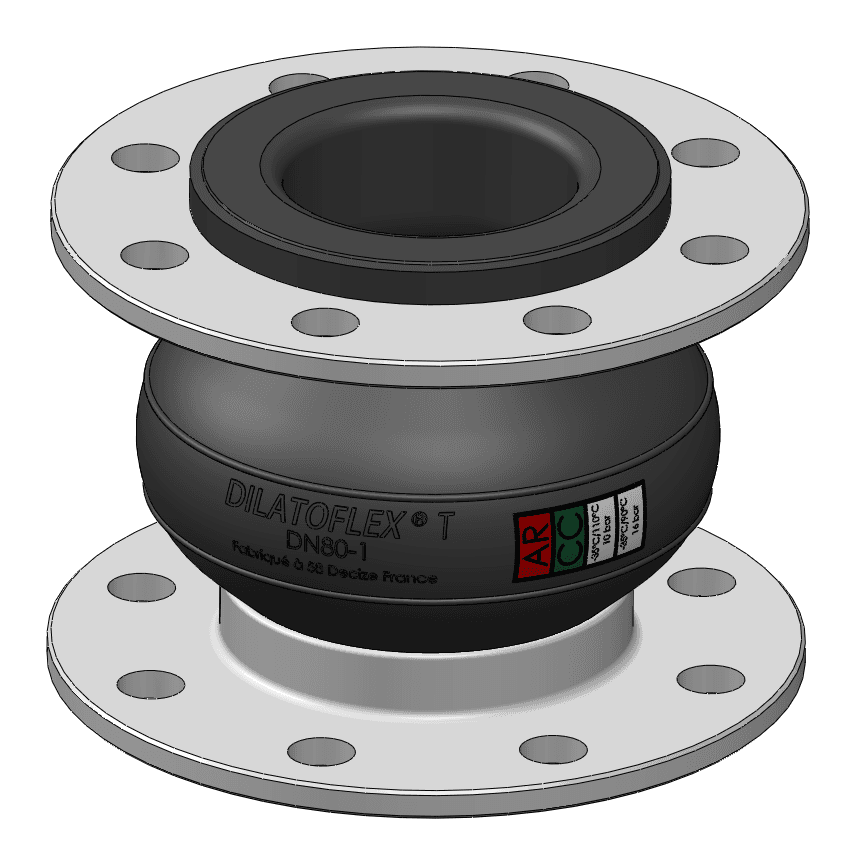
We have extensive experience with Dilatoflex® expansion joints installed in submerged applications. One of the most demanding projects involved a pipeline located almost 10 meters below the water surface. For this application, Dilatoflex® type N expansion joints were selected. The robust structure of the N-type expansion joints successfully withstood external hydrostatic pressure and did not collapse even when the pipeline was empty. This makes them particularly suitable for subsea installations where external pressure must be taken into account. For small diameters and shallow depth applications, Dilatoflex® Type K and Type T expansion joints are also frequently used.
Submerged expansion joints are primarily exposed to marine biofouling, external hydrostatic pressure and long-term environmental degradation. Marine biofouling, such as mussel and limpet attachment, may gradually accumulate on the surface of the expansion joint. In some cases, this growth can obstruct the movement of the blow guns and reduce the flexibility of the system. Once removed, these deposits can also leave surface damage on the elastomer that can affect long-term performance. Additionally, external hydrostatic pressure must be considered, particularly in deep or depressurized pipelines, as well as the general effects of prolonged exposure to water, sediment and environmental conditions.
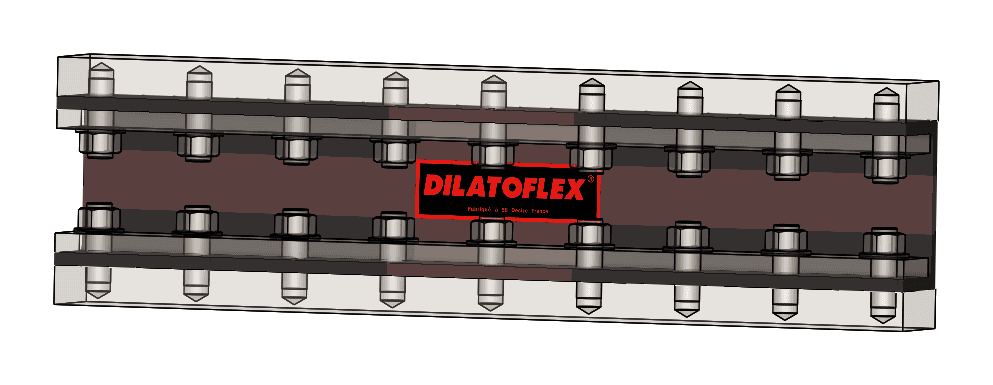
The main factors influencing the lifespan of a expansion joint are the compatibility of the elastomeric mixture with the conveyed fluid and compliance with the pressure and temperature limits specified for the product. Temperature is one of the main causes of elastomer aging. High temperatures accelerate the hardening of the material, which, combined with pressure and cyclical movements, can initially lead to surface cracking and then deterioration of the expansion joint structure. Direct exposure to the sun is another important aging factor. Although the exterior elastomeric blends used for Dilatoflex® expansion joints provide enhanced resistance to UV radiation, weather and environmental exposure, additional protection from direct sunlight and standing water is recommended wherever possible. This protection may consist of a steel cover attached to the piping system using flange bolts. For any information regarding suitable protection solutions, please contact our sales team.
The inspection frequency depends on the service conditions and the criticality level of the installation. As a general rule, Dilatoflex® expansion joints installed outdoors should be visually inspected at least once a year. Particular attention should be paid to signs of aging such as surface cracks, corrosion of metal components, leaks or abnormal deformations. More frequent inspections may be advisable in applications exposed to high temperatures, aggressive environmental conditions or intense solar radiation. Regular inspections help identify potential problems at an early stage and contribute to the implementation of a predictive maintenance strategy.