Installation and Maintenance: The keys to reliability

Poor alignment, inadequate tightening or the absence of fixed points can compromise sealing and drastically reduce the lifespan of the part and damage the integrity of your installation.

Correct installation matters

Correct installation matters

Alignment, tightening and fixed points are critical to performance.

Storage conditions:

Absence of direct solar radiation and if possible, dim light.

Recommended room temperature: between 10/20°C. Temperatures below 0°C are acceptable provided that the expansion joints are only handled after a gradual return to positive temperatures. Prohibit any draft. Have minimal natural ventilation. Ozone and devices producing ozone must be banned from the storage room.

Avoid any contact with aggressive surrounding agents or objects: liquids, greases, acids, bases, etc., sharp objects or incandescent particles from welding or grinding.

Stacking must be very limited to avoid significant permanent deformation (wave, heel).

Practice inventory rotation. Use the oldest products first.
Assembly:

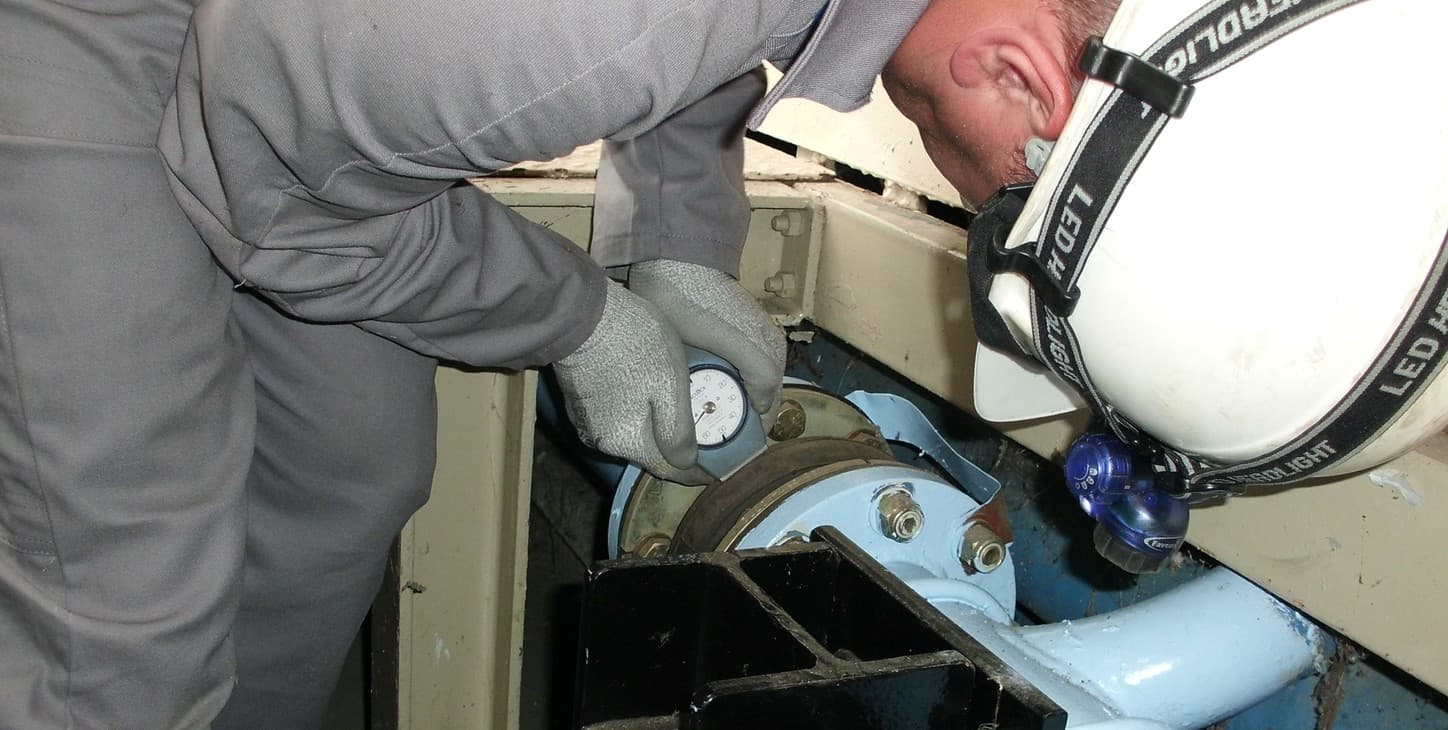
Follow the instructions provided with each expansion joint. After installation and/or commissioning, check the tightening torque every 24 hours for 3 to 5 days. Retighten to the torque specified in the instructions if necessary.

Applying paint to the rubber parts of the expansion joint is prohibited. The expansion joint must not be thermally insulated. It must not be exposed to flame (use a fireproof cover if necessary). The expansion joint is an electrical insulator. To dissipate static electricity or for grounding the installation, a metal braid must be installed between the two flanges.

Disassembly

Before any disassembly, ensure that the expansion joint is not subject to residual pressure and that dangerous fluids have been evacuated.

  • Slowly loosen the bolts.
  • If cleaning the expansion joint is necessary, use soapy water. The use of solvent should be avoided.
  • If you reuse the bolts, make sure they are clean and in good condition.

Maintenance:

The expansion joint should be included in a maintenance plan. It must be perfectly accessible, in order to facilitate regular inspection and possible dismantling.

An external visual inspection (appearance, elasticity of the rubber) and a check of the tightening of the flanges must be carried out annually. Disassembly for internal inspection every 3 to 10 years is recommended depending on the severity of service conditions or national regulations in force in the country.

More generally, the expansion joint must be replaced regularly depending on its condition and the hardening of the materials.

Need technical assistance?

Our team of engineers is available to assist you in selecting and sizing your expansion joints

Frequently Asked Questions

Frequently Asked Questions

No. The rubber body should never be painted (risk of chemical attack by solvents) nor insulated (risk of internal overheating reducing its lifespan).

No, the rubber beads of the expansion joint themselves ensure the seal with the counter-flanges. Adding additional seals is unnecessary and not recommended.

A visual inspection is recommended once a year (checking for cracks, hernias or leaks) as well as a check of the tightness of the bolts. Preventive replacement can be considered every 3 to 10 years depending on the criticality of the installation.

They must be stored flat, away from direct light (UV), heat and ozone (far from electric motors), in a temperate room (10-20°C).