

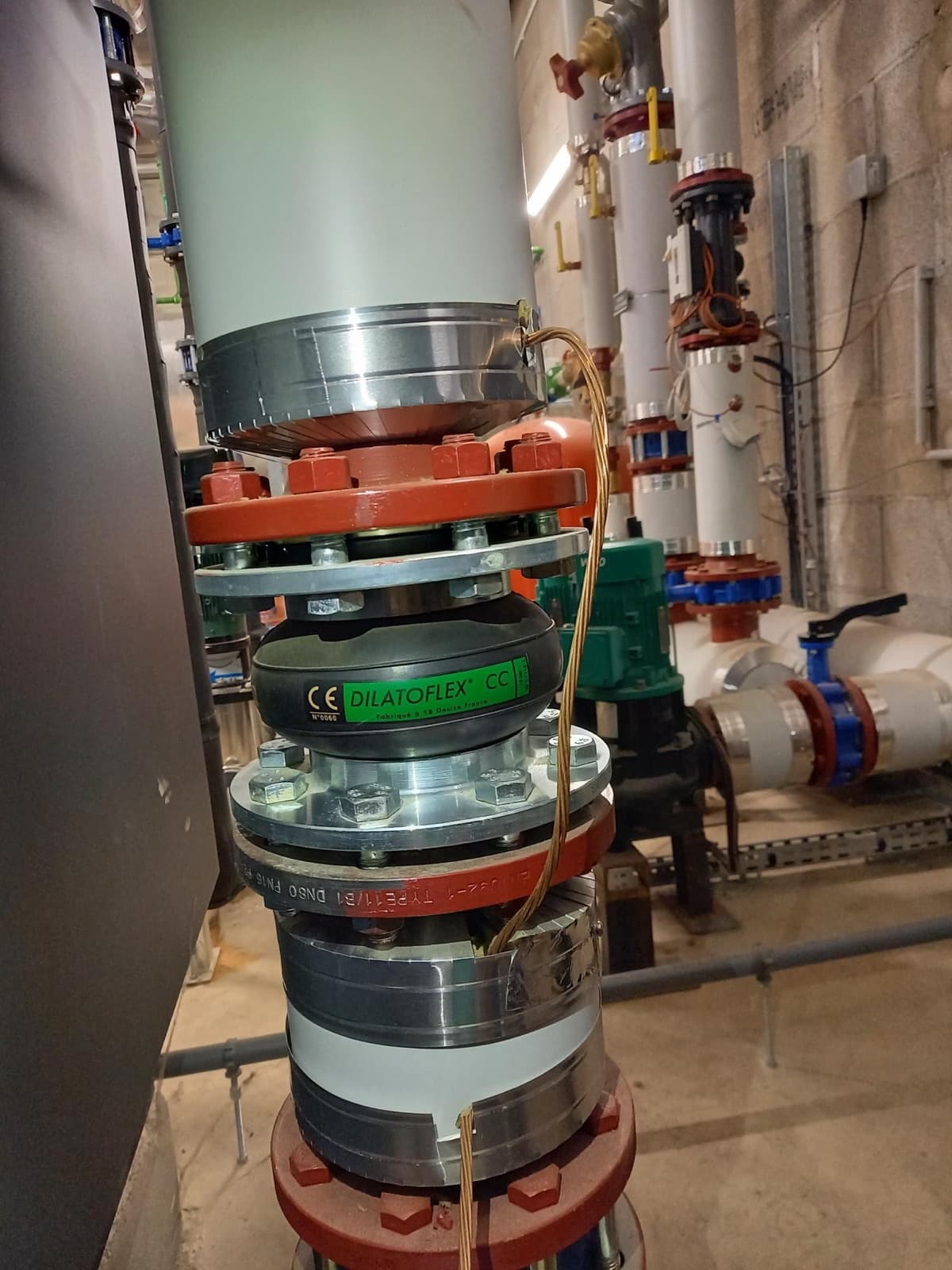
Although often considered a minor component in these large-scale networks, Dilatoflex® expansion joints play a critical role in maintaining the integrity and durability of piping systems. By absorbing vibrations, compensating for thermal expansion, and accommodating structural movements (such as differential settlement), they protect pipes and connected equipment from mechanical stress and premature failure. This contribution is essential for ensuring the safe, reliable, and continuous operation of infrastructure systems over time.
Construction and infrastructure
Reliable and sustainable solutions for urbanization and infrastructure development.
Urbanization processes, supported by the development of infrastructures based on increasingly complex and interconnected systems, require reliable solutions guaranteeing long-term performance.
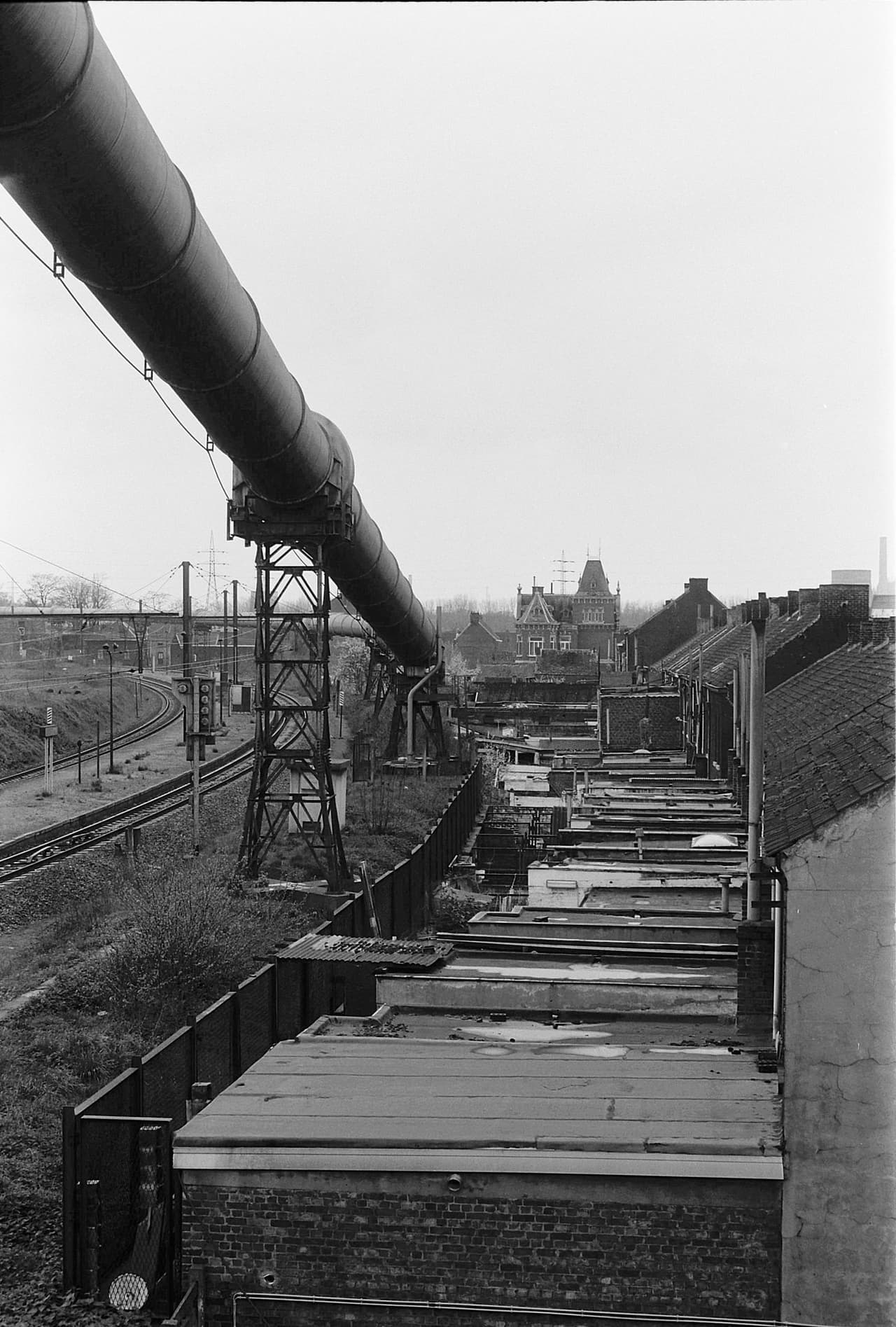
Reliable and flexible connections for large-scale concrete structures
Durability in harsh environments
High-quality elastomer blends provide excellent resistance to environmental conditions, mechanical wear and long-term operational loads.
Versatility of applications
Suitable for a wide range of infrastructure systems including water distribution networks, HVAC (heating, ventilation, air conditioning) installations, pump stations and utility lines.
Motion compensation
Dilatoflex® rubber expansion joints effectively compensate for thermal expansion, contraction and structural movements such as differential settlement, thus preserving the integrity of the system.
System protection
On the one hand, Dilatoflex® expansion joints protect existing structures from the thrust forces generated by the piping network. On the other hand, they protect pipes, pumps, and installations from premature failures, thus contributing to reduced maintenance and extended equipment lifespan.
Ensure maintenance and durability
Our reference partners
Customers and partners who trust us around the world.




Our ranges & products
Our Dilatoflex® ranges & products
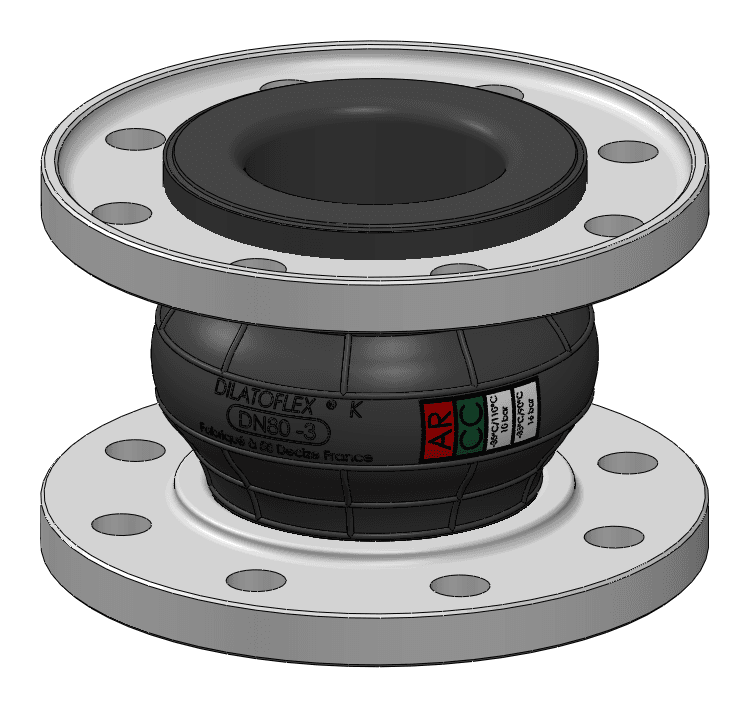
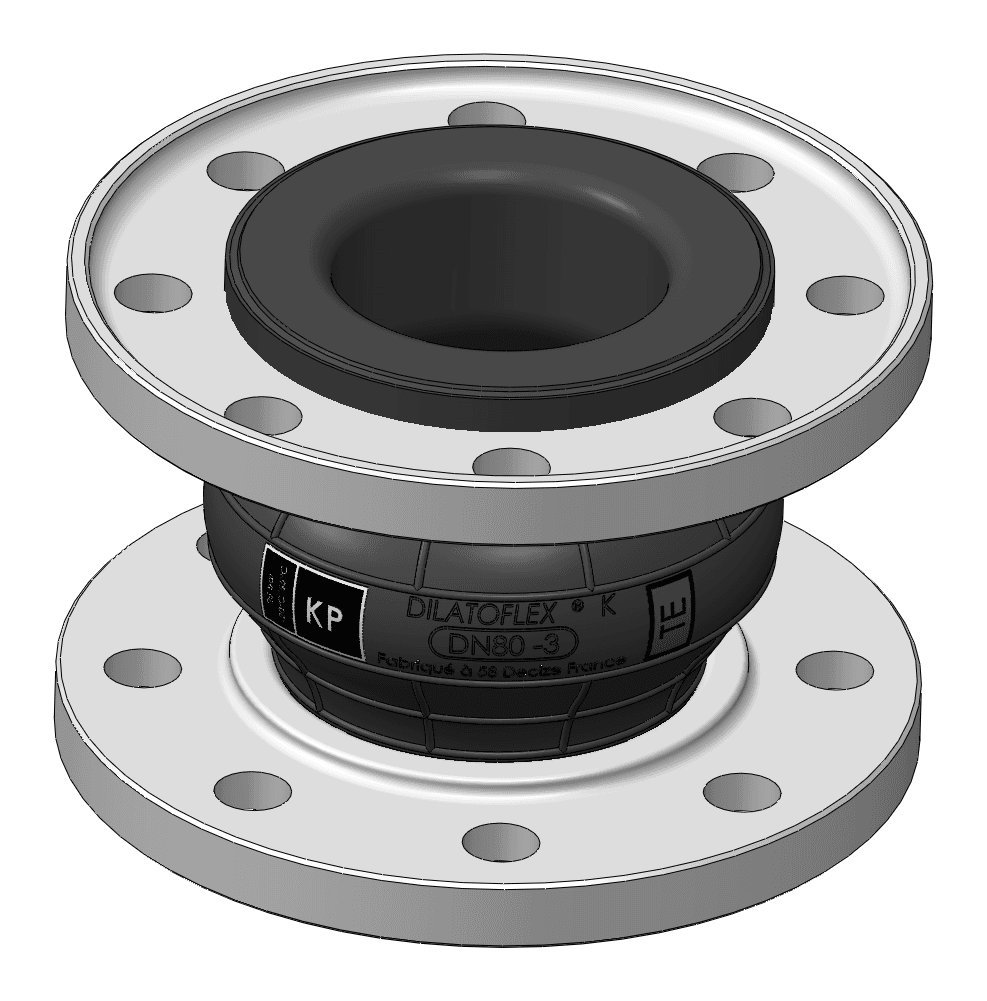
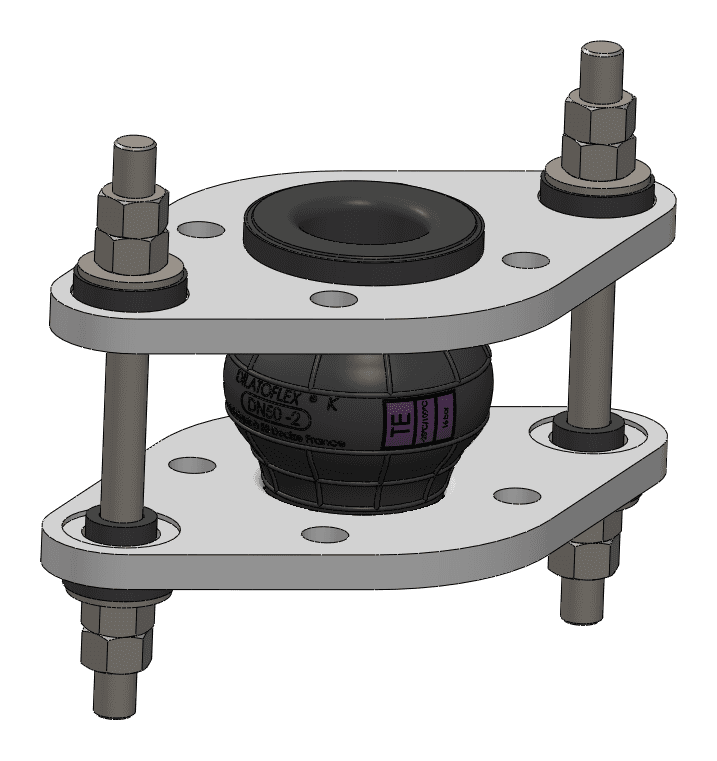
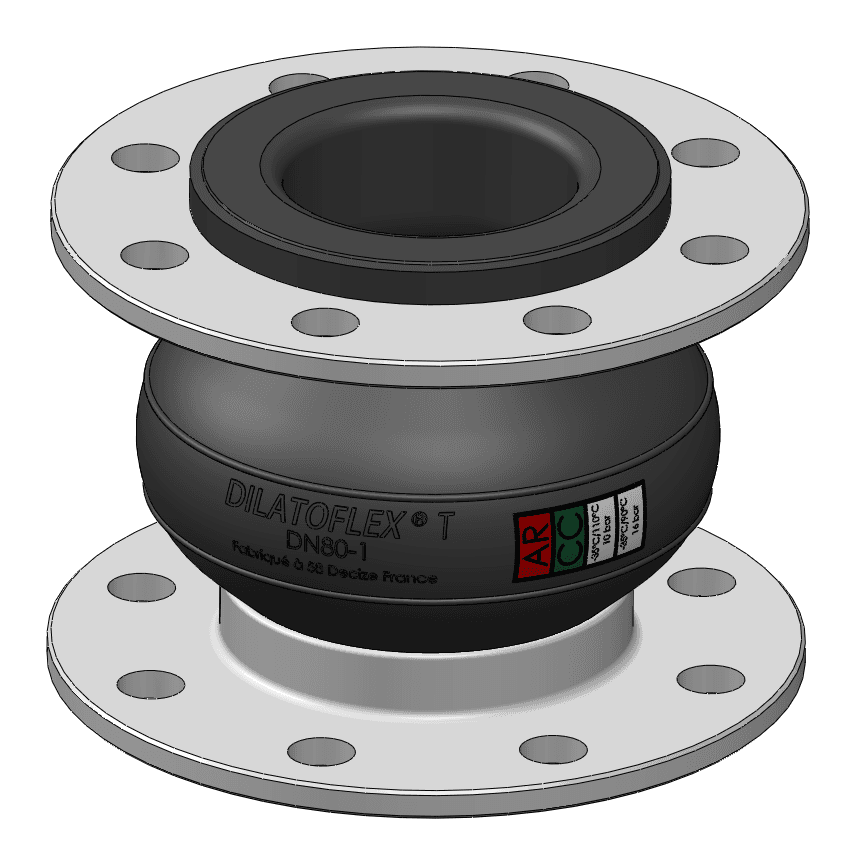
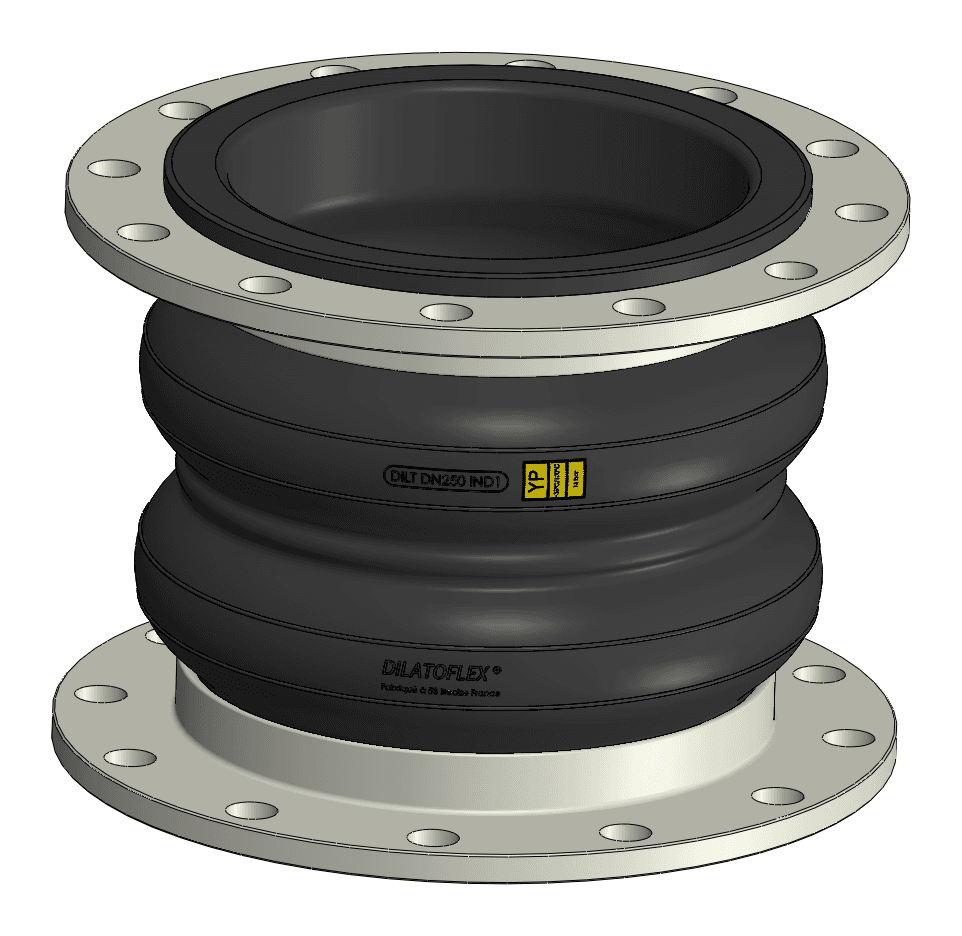
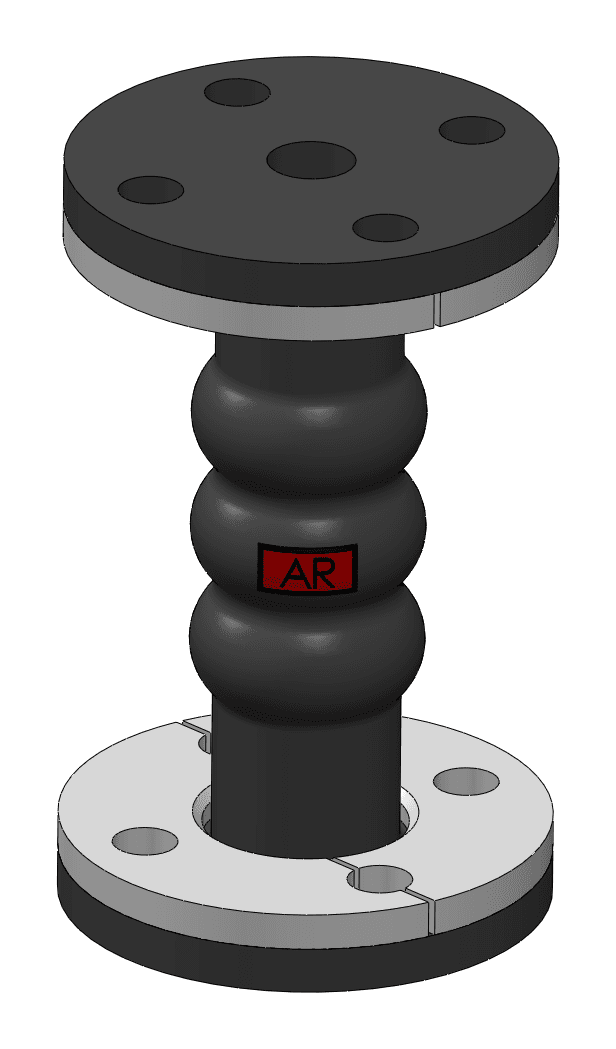
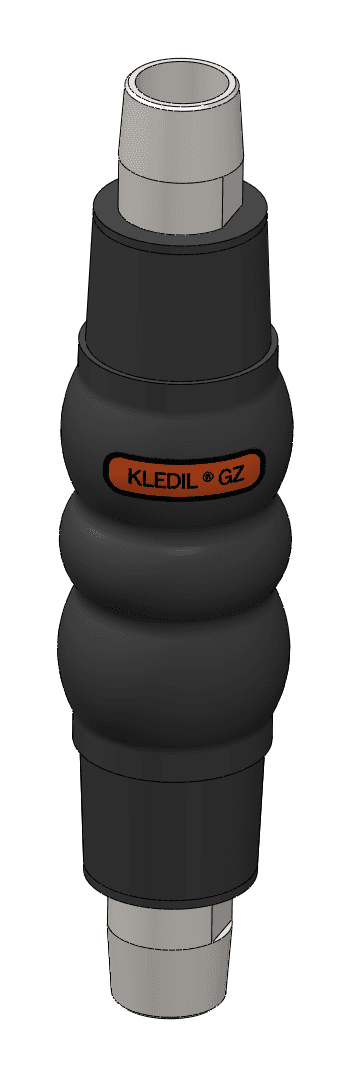
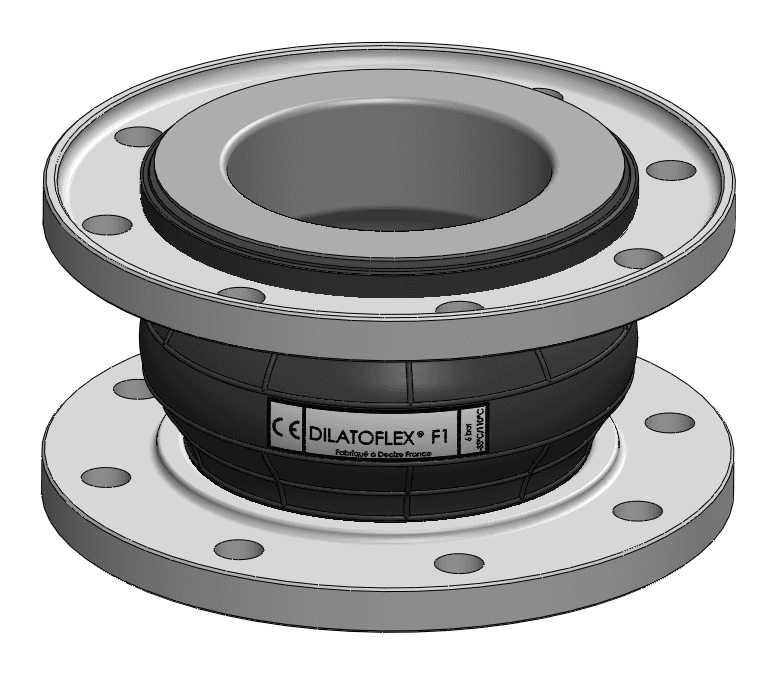
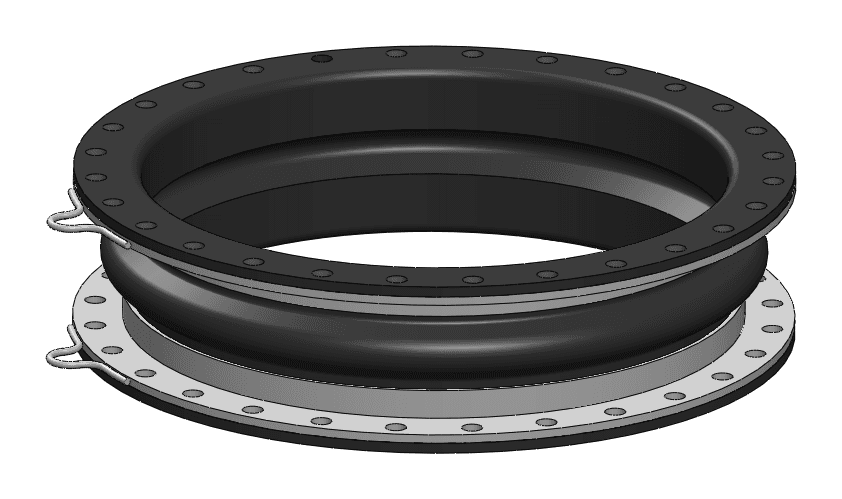
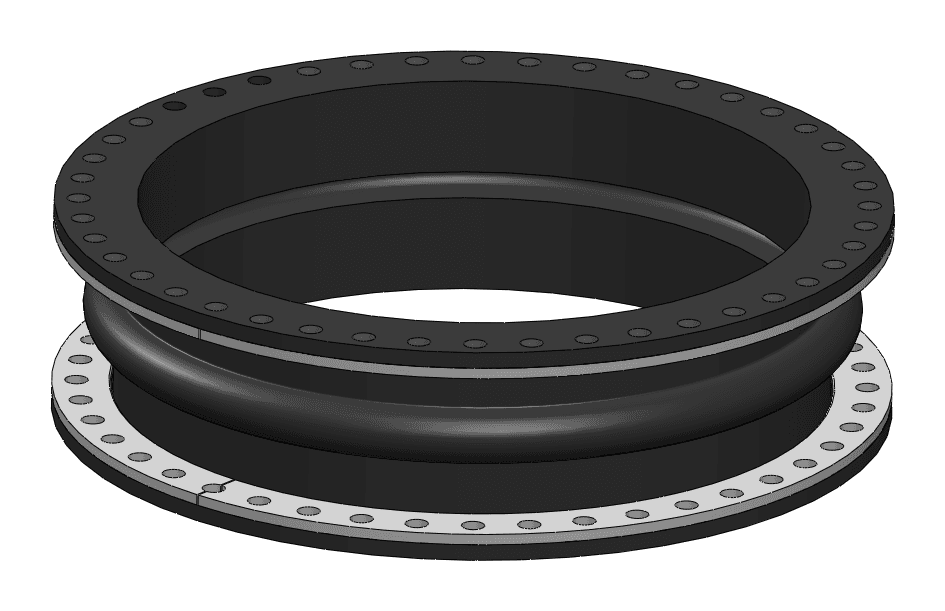
Rubber expansion joints for networks and infrastructure works, absorbing structural movements and compensating for thermal expansion.
Need technical assistance?
Dilatoflex® excellence serving the robustness and durability of infrastructures.
Contact us
YOUR QUESTIONS
Frequently Asked Questions
An elastomeric expansion joint can be considered a flexible element of the piping system. Its function is to compensate for different types of movements, ranging from vibrations and thermal expansions or contractions to structural movements such as land settlements.
Elastomeric expansion joints provide a combination of flexibility, vibration damping and economic efficiency that is difficult to achieve with other materials such as metal, textile or silicone solutions. Compared to metal expansion joints, elastomer offers significantly greater vibration absorption, better compensation of axial, lateral and angular movements, as well as lower structural rigidity. Their pricing positioning is also an important advantage. Compared to textile-based constructions, elastomer generally offers higher pressure resistance and better sealing performance in compact designs. Compared to silicone-based materials, elastomeric blends generally offer better mechanical strength and abrasion resistance. Elastomeric expansion joints therefore represent a very versatile solution, although alternative technologies may be more suitable in some specific applications depending on the service conditions.
The mechanical components of any piping system generate vibrations which propagate throughout the installation in the form of mechanical waves. Unlike rigid metallic components, elastomer is a viscoelastic material that is particularly effective in interrupting the transmission of these waves. When a vibration passes through the elastomer, the polymer chains deform and move relative to each other. The elastomer absorbs the kinetic energy of the vibration waves and converts it into a negligible amount of thermal energy (heat). By draining the energy from the wave, the amplitude (the height or intensity of the wave) decreases significantly, thereby "choking" the vibration before it can propagate to the other side. Elastomer expansion joints are not only able to reduce the amplitude of waves, but also to stop their propagation downstream of the line. The same principle applies to noise reduction. Sound also propagates as waves moving through a medium. The elastomer helps to attenuate these waves by absorbing part of their energy. When elastomer expansion joints only act on noise transmitted by the fluid, they are particularly effective in limiting the transmission of structure-borne noise.
Dilatoflex® expansion joints can be used in vacuum applications. Some smaller sizes can handle vacuum conditions without additional accessories. For larger diameters, a suitable vacuum ring may be required to prevent deformation or collapse of the flexible body. To determine the vacuum resistance of Dilatoflex® elastomer expansion joints, please consult our technical brochure or contact our technical team for advice tailored to your application.
Vacuum levels are expressed as a percentage of normal atmospheric pressure, approximately 1 bar absolute. A vacuum level of 30% means that the pressure inside the expansion joint can be reduced by 30% compared to atmospheric pressure. In practice, this corresponds to an absolute pressure of around 0.7 bar. For higher vacuum levels, additional reinforcement such as vacuum rings may be required, depending on the dimension and design of the expansion joint.