

Reliable support provided by rubber expansion joints in papermaking.
Papermaking relies on complex chemical processes involving aggressive products such as chlorine dioxide, hydrogen peroxide and caustic soda, combined with high temperatures and the presence of wood particles. Rubber expansion joints are used to protect steam lines, sludge lines, process units and exhaust systems under these demanding conditions.
Hot chemical pulp: a demanding industrial application supported by Dilatoflex® expansion joints.
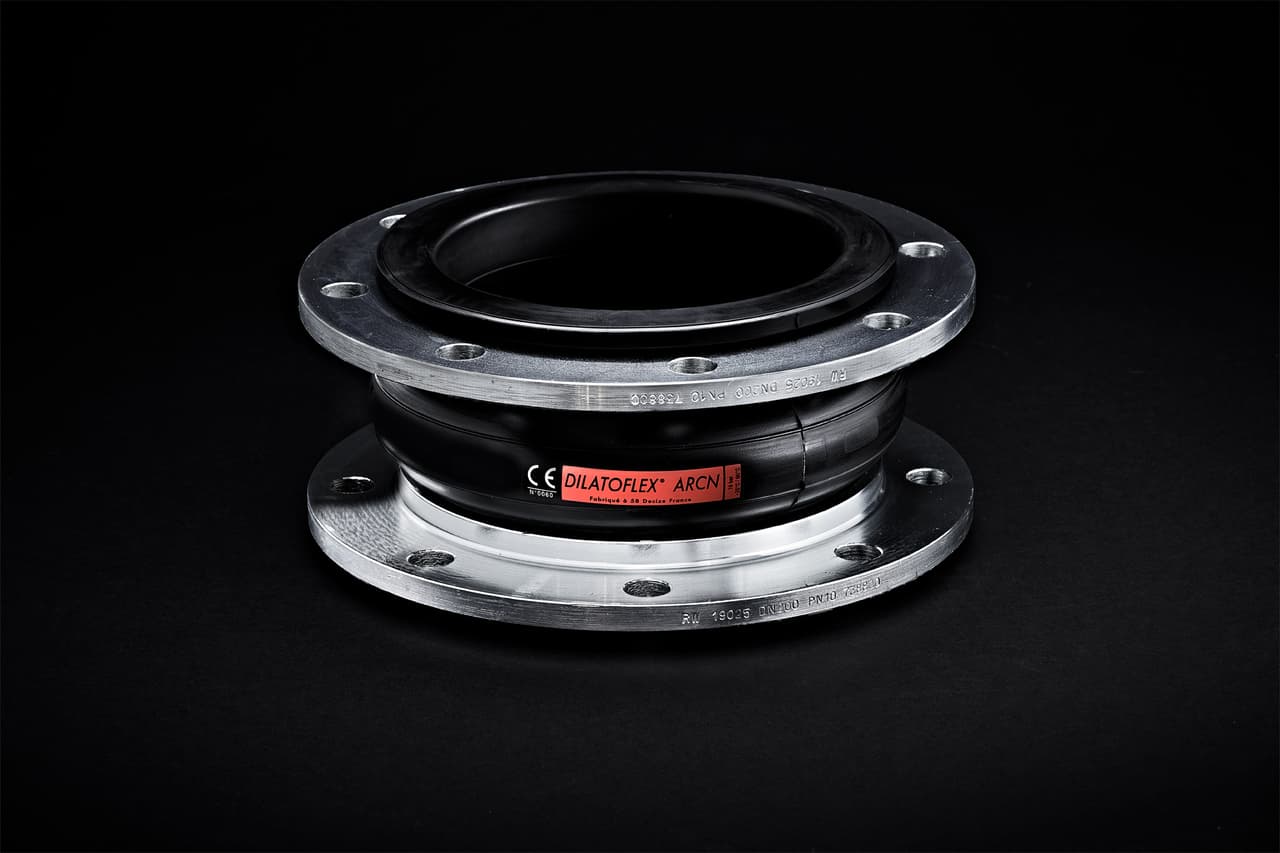
Exceptional temperature resistance for steam applications
Dilatoflex® ES grade expansion joints are specifically designed for steam applications. They can operate at temperatures up to 140°C at 16 bar or 70°C at 25 bar.
Abrasion resistance
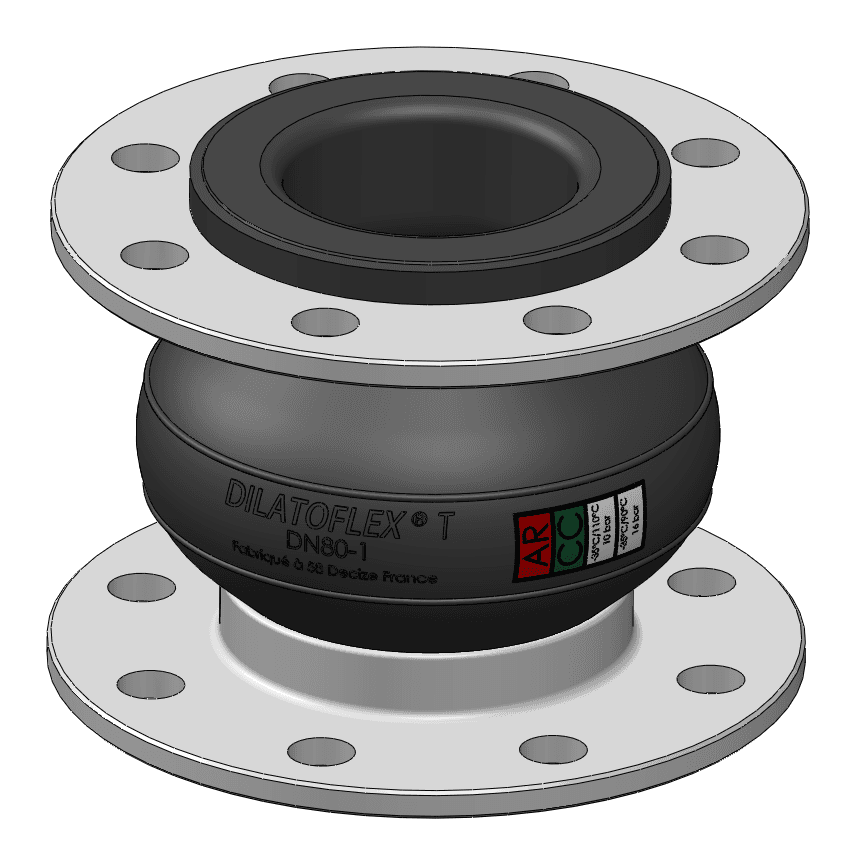
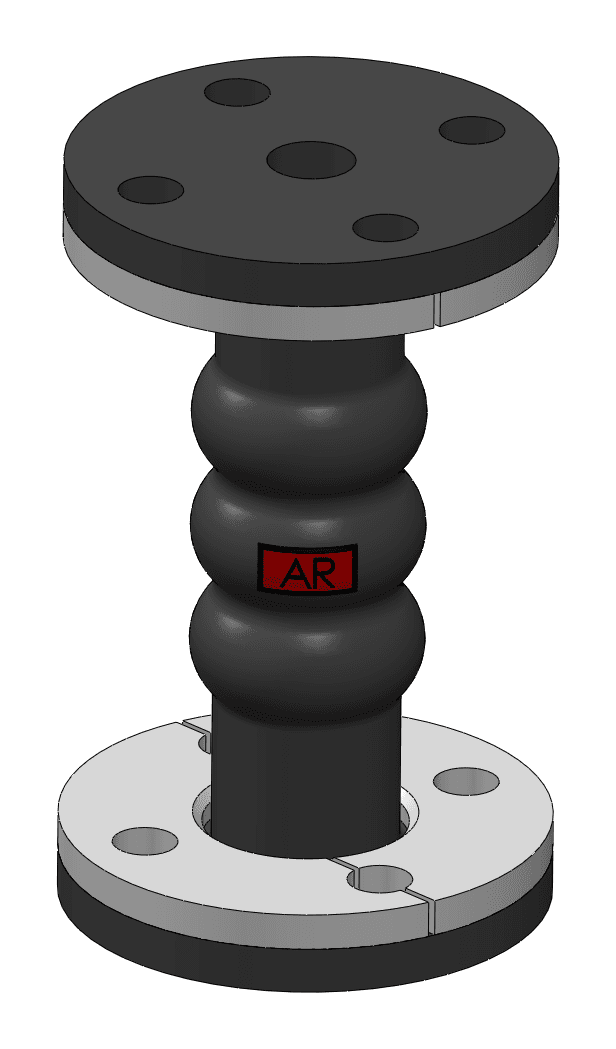
ARCC grade expansion joints have proven themselves in many applications involving abrasive fluids. They offer excellent wear resistance and can be supplied with conical or straight deflectors for added protection.
Suitable for aggressive chemicals
Dilatoflex® expansion joints exhibit excellent resistance to a wide range of alkaline, oxidizing and process chemicals used in pulp and paper processing, including sodium hydroxide, sodium carbonate, hydrogen peroxide, black liquor and sulfuric acid. This ensures reliable performance in harsh environments.
Continuous operation
Designed for uninterrupted operation in 24/7 production environments, ensuring stable performance, reduced maintenance and extended service life.
Certifications & Quality
Dilatoflex® provides you with tailor-made support throughout the life cycle of your projects.
See allReference Partners
Customers and partners who trust us around the world.



Our Dilatoflex® ranges & products
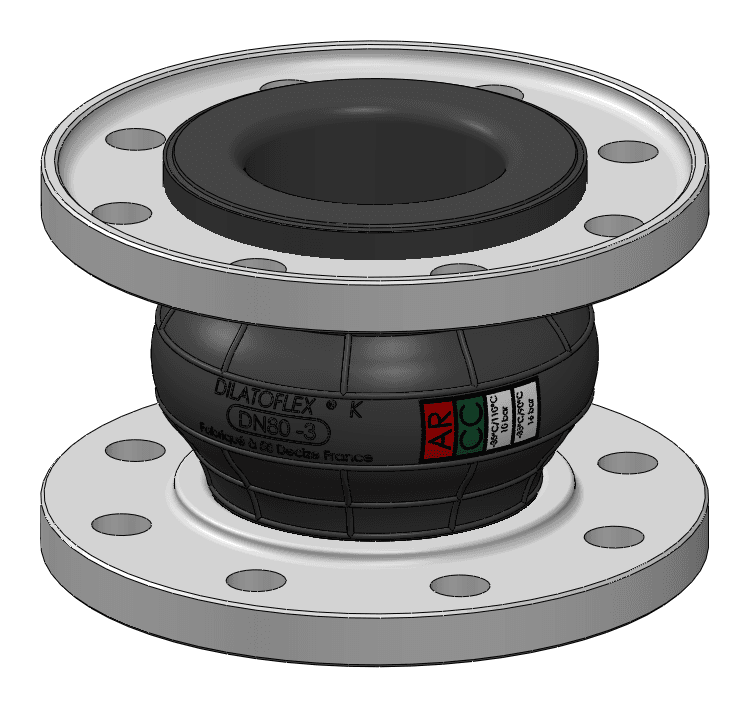
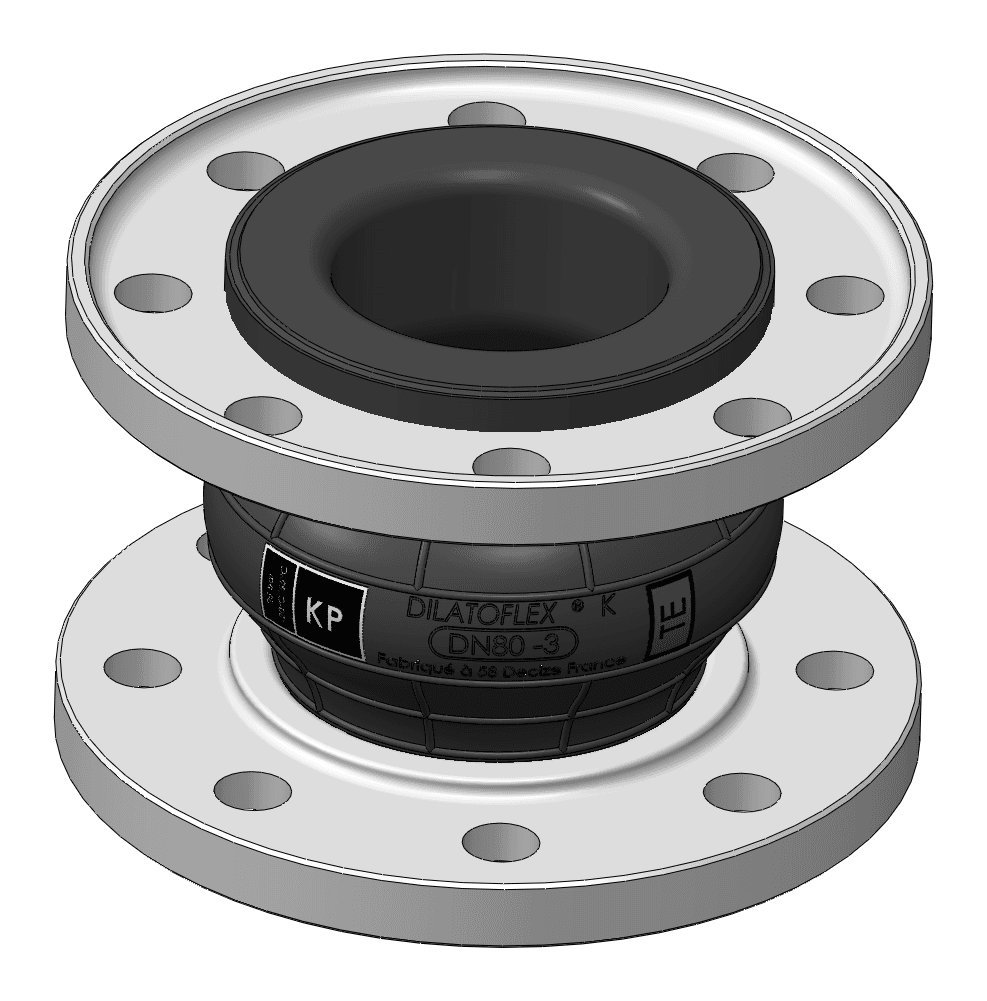
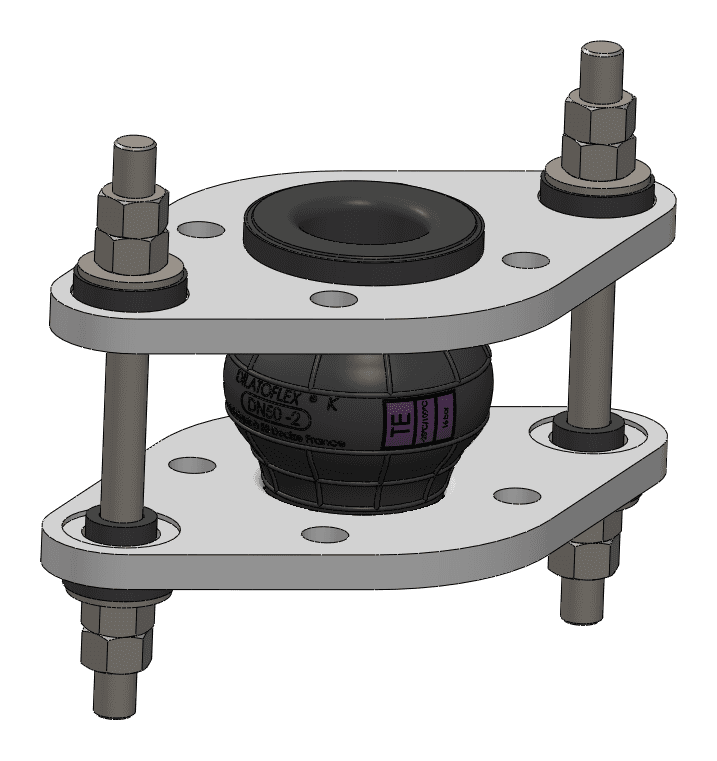
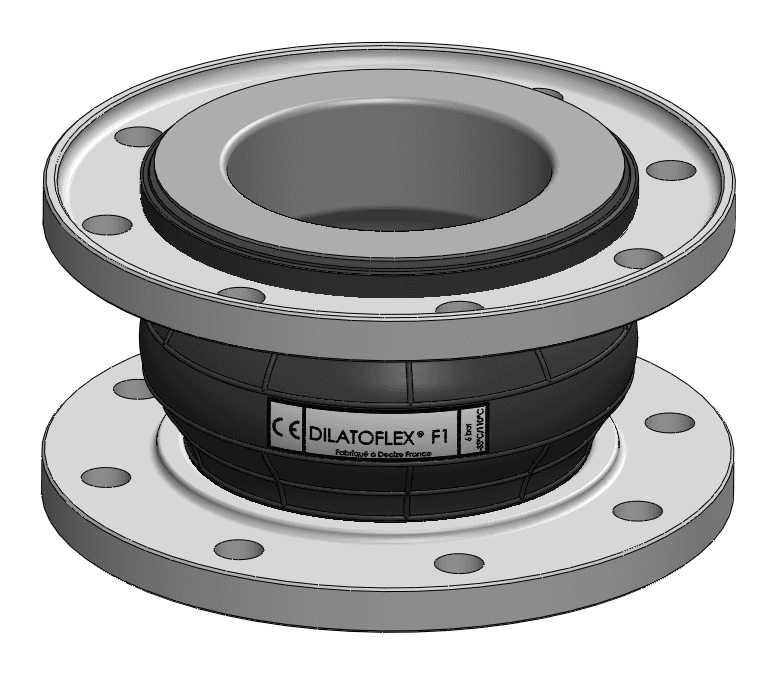
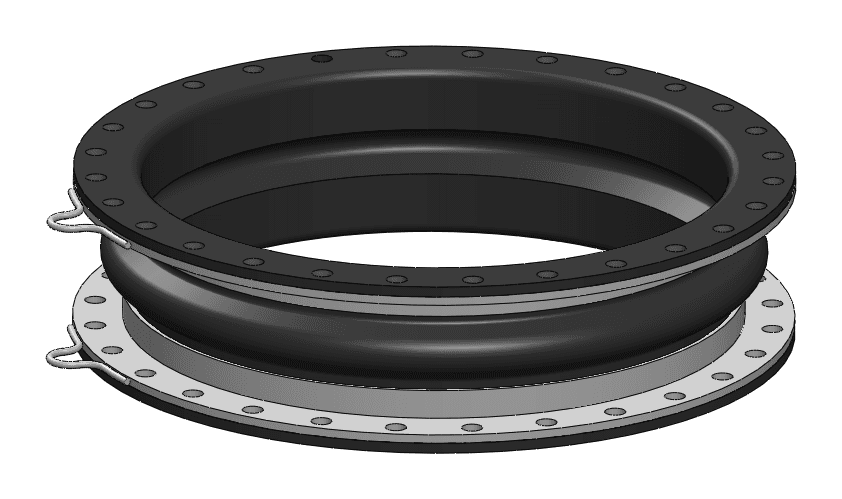
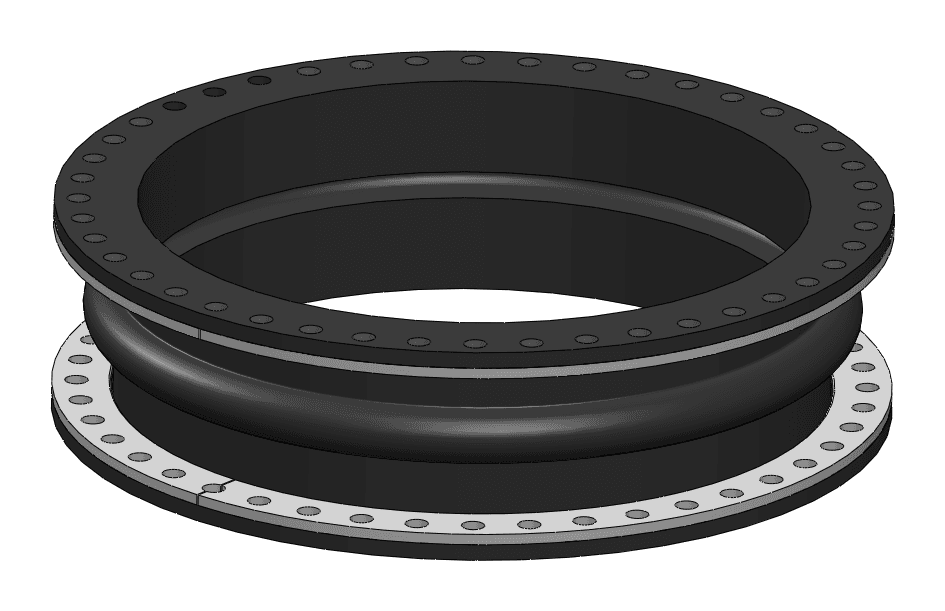
Expansion joints suitable for steam lines, sludge lines and aggressive chemical fluid circuits in the paper industry.
Need technical assistance?
Dilatoflex® excellence serving continuity and performance in the paper industry.
Contact us

Frequently Asked Questions
Elastomeric expansion joints are particularly useful in locations where pumps or other dynamic mechanical equipment are installed, such as boilers, heat exchangers, pressure vessels, screens, centrifuges, steam turbines, compressors, and similar rotating or pulsating equipment.
Different qualities of elastomer are dedicated to different applications within a pulp and paper mill:
- ARCC grade, an abrasion-resistant elastomer blend, is used in the first phase of production, particularly during pulping and stock preparation, where the fluid is highly abrasive due to fibre and suspended-solid suspensions.
- ES quality, an elastomeric mixture for steam service, is dedicated to steam and hot water applications. It is typically installed in the boiler island, including the steam, condensate and heat recovery systems.
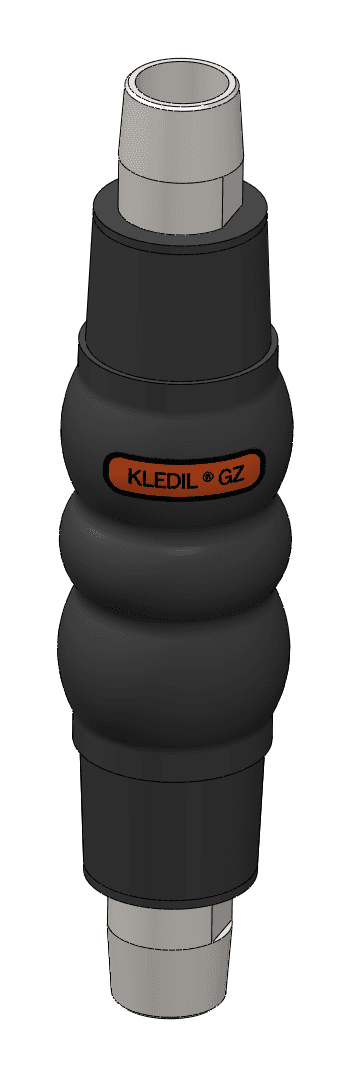
- GZ quality, an elastomeric mixture resistant to gases and hydrocarbons, is compatible with gases, compressed air, fuel oil and petroleum products. It is commonly used in bleaching workshop and chemical workshop utilities.
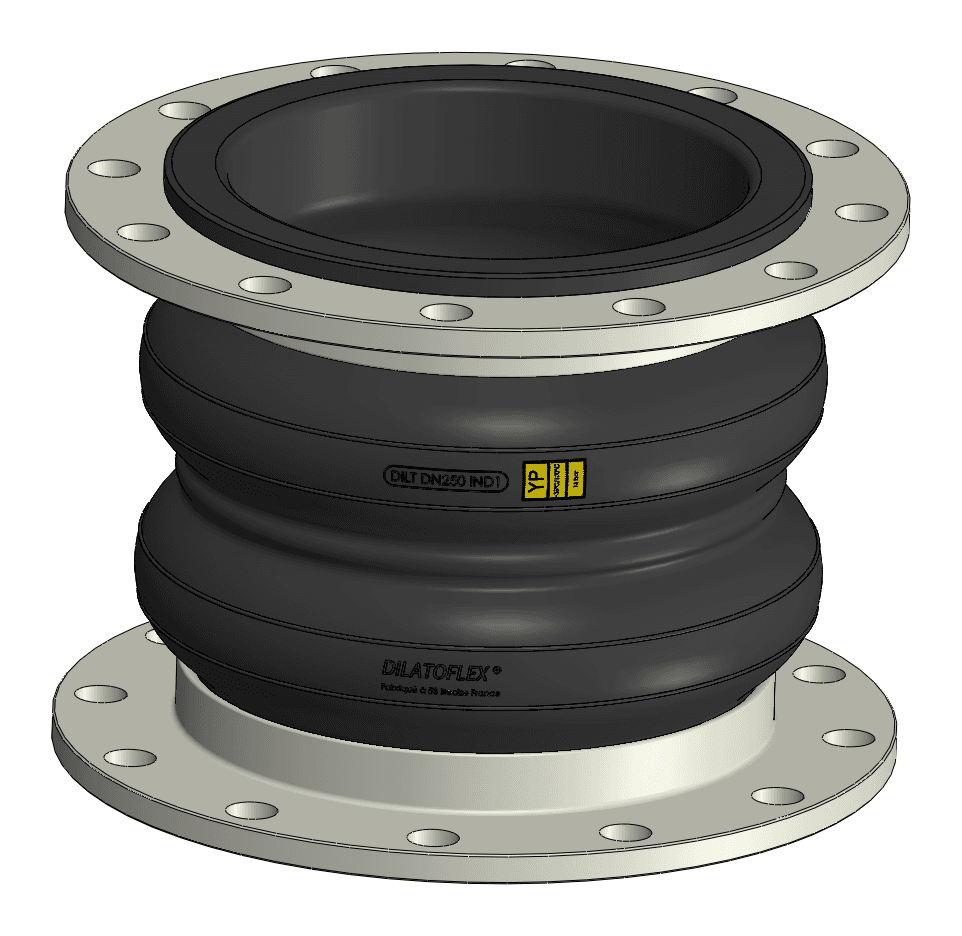
- YP grade, a chemically resistant elastomeric blend, is designed for aggressive chemical environments. It is suitable for the various process fluids of the paper machine island, as well as effluent treatment and discharge systems.
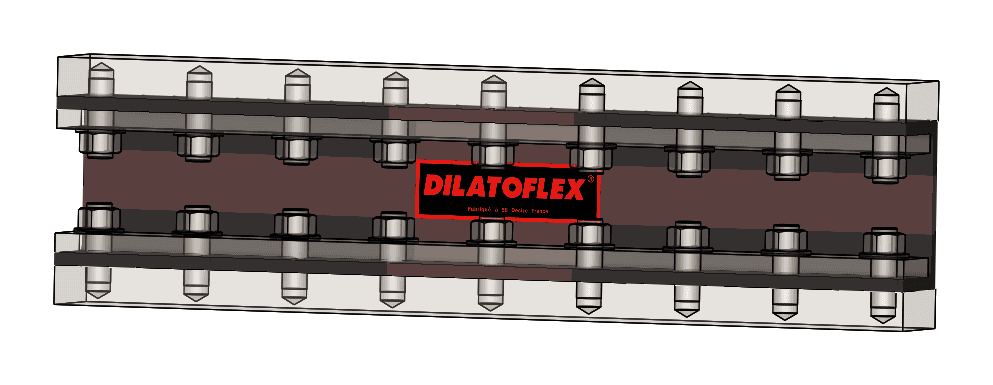
Type KP expansion joints, available from DN 32 to DN 300 with a length of 130 mm, are designed to operate under pressures of up to 25 bar. The serving temperature should not exceed 55°C. KP expansion joints can be used in applications falling under Article 4.3 or Category I equipment, in accordance with the Pressure Equipment Directive (PED 2014/68/EU).
The essential information for selecting the expansion joint and the appropriate elastomer grade is:
- The standardized nominal diameter (DN)
- The type of fluid and its composition
- Operating temperature and pressure
The following additional information must also be specified:
- Face-to-face length
- The type of movements (axial, lateral, angular) and their respective values
- The simultaneous (combined) or independent nature of the movements
Finally, and importantly, the flange standard and flange material must be stated.